
Bio Septic Tank Price vs Concrete: The Smart Homeowner's Complete Guide
Compare bio septic tank vs concrete costs, installation, maintenance, and long-term savings for Indian homes. Discover why bio systems often win with superior efficiency, eco-friendliness, and lower total ownership costs despite higher upfront prices.
12/4/20254 min read
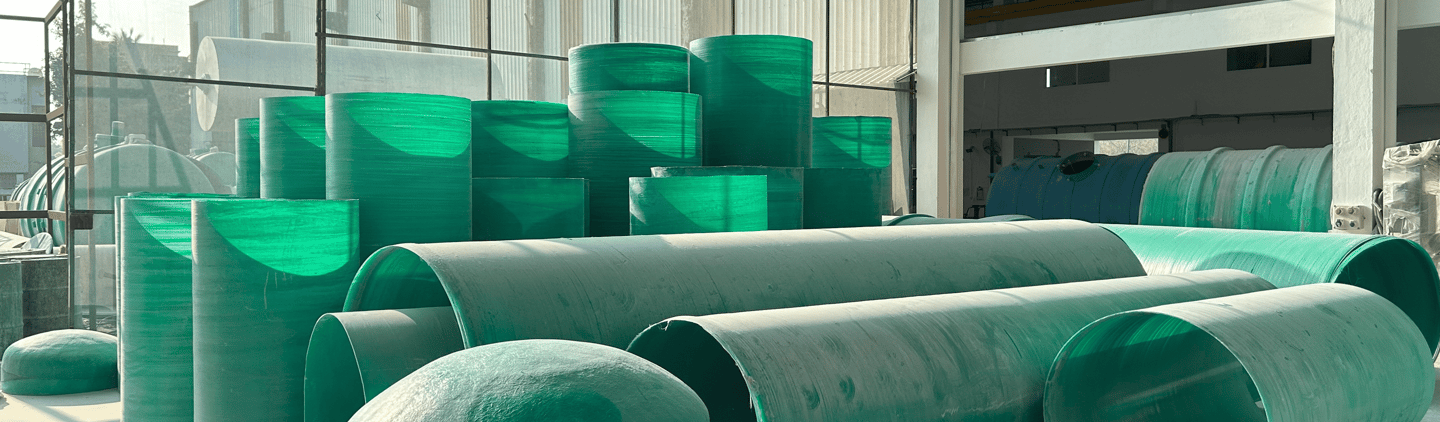
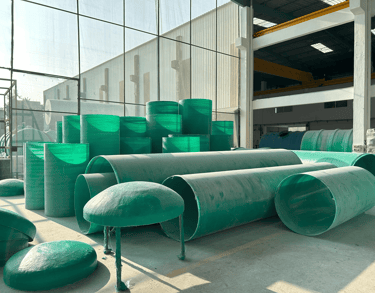
Choosing between a bio septic tank and a concrete septic tank affects your wallet for decades. Most homeowners fixate on upfront costs and miss the bigger picture. The real question isn't which costs less today—it's which system saves money, reduces headaches, and protects the environment over 20-30 years.
I've watched countless families agonize over this decision. They see the bio septic tank price vs concrete comparison and initially lean toward concrete because it seems familiar. Traditional thinking says concrete is proven, reliable, and cheaper. But that's only part of the story.
The truth? Bio septic tank vs concrete isn't just about money. It's about maintenance time, environmental responsibility, and long-term property value. Let's break down what really matters when comparing these two wastewater treatment options.
What Makes Concrete Tanks the Traditional Choice?
Concrete septic tanks have dominated Indian homes for 70+ years. These heavy underground chambers use simple gravity to separate solids from liquids. Wastewater enters, heavy stuff sinks, lighter materials float, and partially treated liquid flows to your drain field.
The process relies on anaerobic bacteria—microorganisms thriving without oxygen. They slowly break down sewage through biological digestion, though not very efficiently. Concrete tanks achieve only 30-40% treatment efficiency, leaving your soil to finish the job.
Here's what you're getting with concrete:
Proven durability: Some tanks last 40+ years
Heavy construction: 8,000-12,000 pounds prevents floating
Simple technology: No moving parts or electricity needed
Wide acceptance: Inspectors know them well
But concrete has serious limitations. The weight requires cranes and heavy equipment. Cracks develop over time from ground movement and chemical corrosion. And that partial treatment? It stresses your drain field, shortening its lifespan.
Why Bio Septic Systems Are Gaining Ground
Bio septic tanks represent modern wastewater engineering. These lightweight systems optimize bacterial environments through multi-stage treatment chambers. Instead of passively holding sewage, they actively enhance biological digestion using specialized bacterial cultures and smart design.
The performance difference is dramatic. Quality bio septic systems achieve 85-95% treatment efficiency—more than double concrete's capability. This superior treatment means:
Cleaner effluent discharge: Better for groundwater
Extended drain field life: Less bio-mat buildup
Odor-free operation: Improved bacterial balance
No frequent desludging: More efficient waste breakdown
Materials matter too. FRP septic tanks (fiberglass-reinforced plastic) and HDPE (high-density polyethylene) resist corrosion completely. Unlike concrete, which deteriorates from sewage gases, these materials maintain integrity for 25-35 years without degradation.
The lightweight construction—just 500-1,000 pounds—eliminates crane requirements. You can install most bio tanks with a standard backhoe, dramatically reducing installation costs.
The Real Cost Comparison: Beyond Sticker Prices
Here's where numbers get interesting. Yes, bio septic tank cost runs higher upfront—typically ₹30,000-₹70,000 for residential systems versus ₹20,000-₹50,000 for concrete. But installation tells a different story.
Installation cost breakdown:
Concrete systems:
Tank: ₹25,000-₹50,000
Crane/heavy equipment: ₹15,000-₹40,000
Excavation (large hole): ₹20,000-₹35,000
Labor (3-4 days): ₹25,000-₹50,000
Total: ₹85,000-₹1,75,000
Bio septic systems:
Tank: ₹35,000-₹70,000
Standard excavation: ₹10,000-₹20,000
Basic equipment: ₹8,000-₹15,000
Labor (1-2 days): ₹12,000-₹25,000
Total: ₹65,000-₹1,30,000
Notice the pattern? Bio septic tank price vs concrete comparisons often favor bio systems when you count complete installation. The lighter weight and compact design save ₹20,000-₹45,000 on installation alone.
Long-Term Savings: Where Bio Wins Decisively
Maintenance costs : over 20 years reveal the real winner:
Concrete tanks : need pumping every 3-5 years at ₹6,000-₹12,000 per service. That's 5-6 pumpings totaling ₹30,000-₹72,000. Add inevitable crack repairs (₹10,000-₹40,000) and baffle replacements (₹8,000-₹25,000), and you're looking at ₹48,000-₹1,37,000 in maintenance over two decades.
Bio septic tanks: require pumping every 5-7 years due to more efficient waste breakdown. Just 3-4 pumpings cost ₹18,000-₹48,000. Minimal structural issues keep repair costs under ₹10,000-₹25,000. Twenty-year maintenance: ₹28,000-₹73,000.
Long term savings bio septic tank systems deliver: ₹20,000-₹64,000 over 20 years. That's before considering drain field longevity. Concrete tanks' poor treatment often requires drain field replacement at 15-20 years (₹1,00,000-₹3,00,000). Bio systems with superior effluent quality extend drain field life to 25-35+ years, potentially avoiding this massive expense entirely.
Environmental Benefits That Actually Matter
Eco friendly septic tank India regulations increasingly favor bio systems. Here's why:
Superior treatment efficiency means 85-95% of pollutants get removed before water enters soil. Concrete's 30-40% efficiency leaves contaminants that threaten groundwater. In environmentally sensitive areas, this difference isn't optional—it's required for pollution control board compliant installations.
Groundwater contamination prevention protects drinking water sources. Bio septic systems dramatically reduce nitrogen, phosphorus, and pathogen levels in discharged water. This matters especially near wells, rivers, or coastal zones where water quality regulations are strictest.
Manufacturing impacts favor bio systems too. Producing concrete generates enormous CO2 emissions—cement accounts for 8% of global carbon emissions. Plastic/fiberglass production creates 80% less carbon footprint. Combined with lighter transportation and easier installation, bio tanks represent the greener choice throughout their lifecycle.
Which System Fits Your Situation?
Choose bio septic tanks if you have:
Limited installation access
Environmental sensitivity concerns
Desire for low maintenance septic tank operation
Interest in modern, pollution control board compliant systems
Budget allowing slightly higher upfront costs for long-term savings
Consider concrete if you have:
Extremely high water tables (concrete's weight prevents floating)
Very tight budget with easy installation access
Preference for familiar, traditional technology
Commercial applications needing maximum capacity
Conclusion
The bio septic tank price vs concrete debate isn't really about purchase price. It's about total cost of ownership, environmental responsibility, and peace of mind. Bio systems cost slightly more upfront but deliver substantial long term savings bio septic tank owners enjoy through reduced maintenance, extended drain field life, and superior performance.
For most Indian homeowners building new or replacing failing systems, bio septic tanks represent the smarter investment. They align with stricter environmental regulations, require less maintenance attention, and protect property values better than aging concrete technology.
The choice is yours—but now you have the complete picture beyond misleading price comparisons.